
So, for the new food and wine lover, here is my four-step guideline to wine appreciation.
By Dennis Dwernychuk

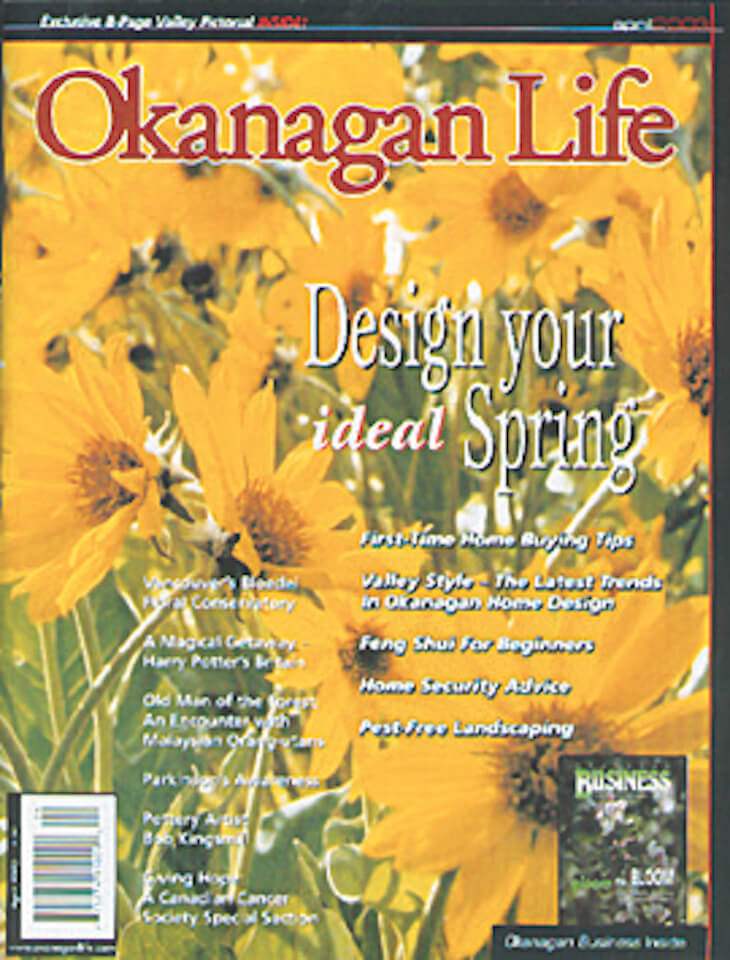
Mia Papodopoulos tasting at the Okanagan Life wine awards in 2016
Times are a changing! What does it tell you when the world’s largest fast food company experiences it’s first revenue loss. Perhaps North Americans are fed up (no pun intended) with animal fat-soaked artificial beef and chicken parts. We are slowly but surely taking on the health conscious Mediterranean diet; olive oil instead of butter, garlic, Provençal herbs, fresh fruit and vegetables, lean meats, and an exponential demand for red wine. More and more consumers are appreciating the satisfaction of preparing healthy meals accompanied by a robust glass of wine.
So, for the new food and wine lover, here is my four-step guideline to wine appreciation. This analysis demands an unpretentious attitude; there is no such thing as a wine expert. I have been in the business for more than 25 years, and I haven’t come across an “expert” yet. Every bit of wine knowledge you acquire makes food and wine pairing that much easier. Here goes!
First
Appearance: Make sure you have clean stemware, well rinsed, with a sufficient bowl and tapered top to allow a sample to be swirled without it being ejected onto your neighbour’s white satin dress. Premium glass manufacturers like Reidel and Villroy and Boch have several shapes and sizes for different varietals at a premium price. I have found the classic Bordeaux style to be the best overall glass shape.
Pour only one third of a glass. This will allow you to effectively swirl the wine and release the aroma components up the inside surface. Look for both colour and clarity.
The sample should be free of haze, cloudiness and surface film. Any of these conditions may indicate bacterial spoilage or other defect. Older wines should be stood up in bottle for a few days and decanted prior to serving. I decant all red wines.
Colour is observed at the far meniscus line and the centre of the bowl. Look for intensity, opaqueness, or transparency. White wines gain colour with age, while red wines loose colour with age. White wines change from yellow-greens through golden yellow to yellow-brown while red wines change from purple through purple-red to garnet to red-brown; all a function of natural reductive oxidation.
Second
Aroma: Smell is everything! Most of wine appreciation resides in your nose. Aroma is divided into:
- Primary – characteristics of a particular grape variety. Each grape has an identifiable genetic blueprint predisposing it to a set of specific aromas – Merlot vs. Cabernet Sauvignon vs. Shiraz.
- Secondary – aromas associated with alcoholic fermentation
- Tertiary – also known as bouquet, the essence derived from oak barrel and/or bottle maturation. When nosing a sample, use specific adjectives; cassis, blackberry, pineapple and so on, rather than flowery or fruity. This will develop your ability to distinguish among and between the varietals. Shiraz from British Columbia, Australia, and the Rhone Valley of France will have similar but unique characteristics as a function of soil, micro-
climate, grape growing, and wine making techniques specific to each region.
Third
Taste: Your tongue is divided into four main receptor areas. The front detects sweet, the sides acidity – what many call sour, salt is tasted over the entire surface, and bitter at the back.
That’s it. What you perceive as flavour is a combination of these four areas plus a retro-nasal effect.
Tactile sensations of weight and body are primarily due to the effects of alcohol; increases in the alcohol content increase your perception of sweetness, glycerol, tannin; the drying effect over the entire mouth surface, and residual sugar.
White wines should be “balanced” between the perceptions of sweetness and acidity while red wines are balanced among sweet, acid, and tannin for any given level of flavour perception.
Fourth
Finish: the perceived persistence of flavour after swallowing. This perception should be consistent with the aroma and flavour intensity. The longer the better! A totally balanced wine possesses integration and equivalent intensity between aroma, taste, and finish.
Make notes on the attributes you appreciate in particular wines. Remember wine tasting is subjective, what you appreciate will be different from what I like. The differences are a function of our tasting and smelling experiences throughout our lives. The main thing is to have fun.
Finally, two service tips.
- Chill white wines only one hour prior to serving. Your palate’s ability to perceive detail in wine is a function of molecular size. The colder the sample the more difficult it is to sense the full extent of a white wine’s character.
- Decant all red wines. This will release the aroma and flavour components. I constantly hear people comment that the wine was better when the bottle was almost empty. Removing the cork to let a wine “breathe” is a
fallacy; only the top inch of wine benefits.
Now get out there, gather some friends and do a blind tasting. What a great way to learn about this growing lifestyle. Cheers!
Read more of the original stories celebrated in our 30th-anniversary issue.

Kelowna business coalition takes on distracted driving
A group of Kelowna businesses has come together to keep Kelowna’s roads safer, launching an online pledge and contest at mydrivingpledge.com. Distracted driving is becoming a higher risk every year for residents in the Southern Interior. These local businesses are...
Grape crop report: more vibrant BC white wines to enjoy this season
Not only was 2015 a stunning vintage, but it also produced an increased crop which will help quench the growing thirst for B. C. wines nationally and internationally. It has been two years since the last crop report, but this week, the 2015 British Columbia Wine Grape...

Okanagan Lie Detectors
Who might have guessed, thought or predicted that this 2016 article in Okanagan Life would create such fanfare, discussion and controversy. Essentially, "everybody's lying" these days - or are they? Seems like it - yet deep in our unconscious, we all know and realize...

Mermaids spotted in the Okanagan
In honour of Water Week BC this month, Bonne Belle Photography is launching its environmental awareness campaign: Project Mermaid Okanagan. Project Mermaid Okanagan’s mission is to attract attention with beautiful art, to some very serious threats our environment and...
View plans for new Kelowna park
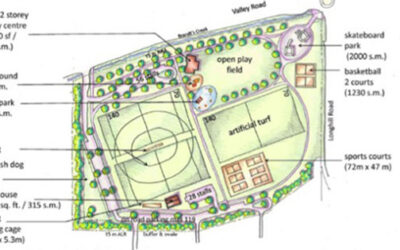
The City of Kelowna wants public feedback on the new Glenmore Recreation Park. Residents are invited to view plans for the first phase of the park at an upcoming information session on May 25. “The future park is designed to provide recreation space and...
Social conscious coffeehouse named #1 in Canada
Kelowna’s Third Space tops Buzzfeed’s list of coolest coffee shops Kelowna coffeehouse Third Space has topped Buzzfeed's list of the 31 coffee shops in Canada you need to visit before you die. When Buzzfeed staff writer Sarah Aspler posed the question to her Internet...

0 Comments