

Sauvignon Blanc: white magic
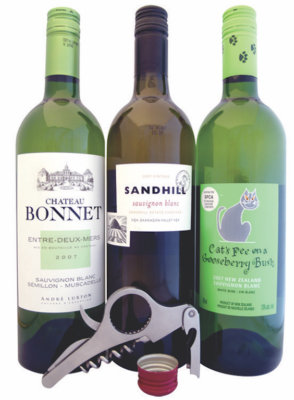
Stand-alone or boosting a blend, this unforgettable character loves good food and makes good times
Freshly, lively, food-friendly Sauvignon Blanc is among the most instantly recognizable varietals. It flaunts piercing aromas of gooseberry, cut grass, asparagus, flowering currant, green pepper, nettles—and even cat’s pee. This cool climate grape reaches its apex of aromatic intensity and zesty crispness in France’s Loire Valley (showing a minerally, flinty, smoky, lemony character in Sancerre and Pouilly-Fumé) and in New Zealand (often bursting with ripe tropical fruit flavours in wines of the South Island’s Marlborough region).
In Bordeaux, it is traditionally blended with Sémillon to make less intense whites to go with local fruit de mers, and also sweet, botrytised dessert wine. Use of oak is the exception. Examples of oak aged Sauvignon Blanc include white Graves, a Sémillon blend, and Fumé Blanc, a name invented by Robert Mondavi for oak style Sauvignon Blanc.
Quick facts
- Coined in California in 1981, the term Meritage (pronounced like heritage) is the trademark for wines blended from traditional Bordeaux varieties
- White Meritage is made by blending two or more of Sauvignon Blanc, Sémillon and Sauvignon Vert
- Chile’s Casablanca region and South Africa’s Cape region are successful Sauvignon Blanc producers
Best way to enjoy
Food pairings: Loire style with goat’s cheese, asparagus quiche, salad, light fish, oysters; New Zealand style with flavourful seafood, vegetables, pork (slightly sweet and cooked with spices) and Meritage with richly sauced fish dishes, lobster
Temperature: 6-8 C
Type of glass: tulip-shaped wine glass
Read more of the original stories celebrated in our 30th-anniversary issue.

Sports & Leisure – South Okanagan

Sports & Leisure – North Okanagan

Sports & Leisure – Central Okanagan
New moms moving toward the bottle
New moms are increasingly using expressed breast milk (either pumped or expressed by hand) instead of directly breastfeeding their babies, according to a UBC study. The study also found that moms who use expressed breast milk typically transition their babies to...

Home & Decor – North Okanagan

0 Comments